Our Clinical Approach

Every child is different, and the same behaviour can happen for very different reasons. We start by understanding what is getting in the way, then teach the skills that can help your child participate more independently at home, at school and in everyday life.

How We Start

We start by understanding your child

When a child is struggling with attention, transitions, frustration, communication or participation, we do not begin by asking how to stop the behaviour. We first ask what may be contributing to it.

The same behaviour can have different reasons behind it. A child avoiding written work, for example, may find the task too difficult, may not know how to begin, may be worried about making mistakes, or may find it hard to stay regulated and focused long enough to finish.

Understanding the why matters because it changes what we teach.

How We Work

Six principles that guide our clinical approach

Our clinical framework stays consistent, but the way we apply it changes with the person in front of us. These principles shape how we assess, teach, review progress and decide when support should change.

We build an individualised plan

Once we understand the main concerns, we identify the skills that are likely to make the biggest difference in day-to-day life.

The plan does not need to be fully formed on day one. It develops as we learn more through the Initial Consultation, early sessions, caregiver input and direct observation.

We listen and observe, identify priorities, set clear goals and adjust the plan as we learn.

What this means for you

Goals are selected around the individual, not a diagnosis or a standard curriculum. If a strategy is not helping, or needs change, the plan changes too.

Our approach is grounded in Applied Behaviour Analysis

At Tesserae, we describe what we do as Behaviour Support. Our work is grounded in Applied Behaviour Analysis (ABA), an evidence-based field that looks at how behaviour is learned, what influences it, and how new skills can be taught.

We look for patterns, understand behaviour in context, teach skills systematically and track whether the support we are providing is helping.

What this means for you

ABA gives us the clinical framework. Evidence-based does not mean one-size-fits-all: the goals, strategies and pace of support should still be individualised.

We teach, practise and measure

Sessions are structured around teaching specific skills, giving repeated opportunities to practise, and tracking whether those skills are becoming more successful over time.

Depending on the person, goals may involve attention and participation, emotional regulation, independence, social communication or other everyday skills.

We collect data so we can see what is changing, what still needs support and whether the plan needs to be adjusted.

What this means for you

Progress might look like fewer reminders, longer engagement, more independent responses or the same skill being used successfully in more situations.
We help skills carry into everyday life

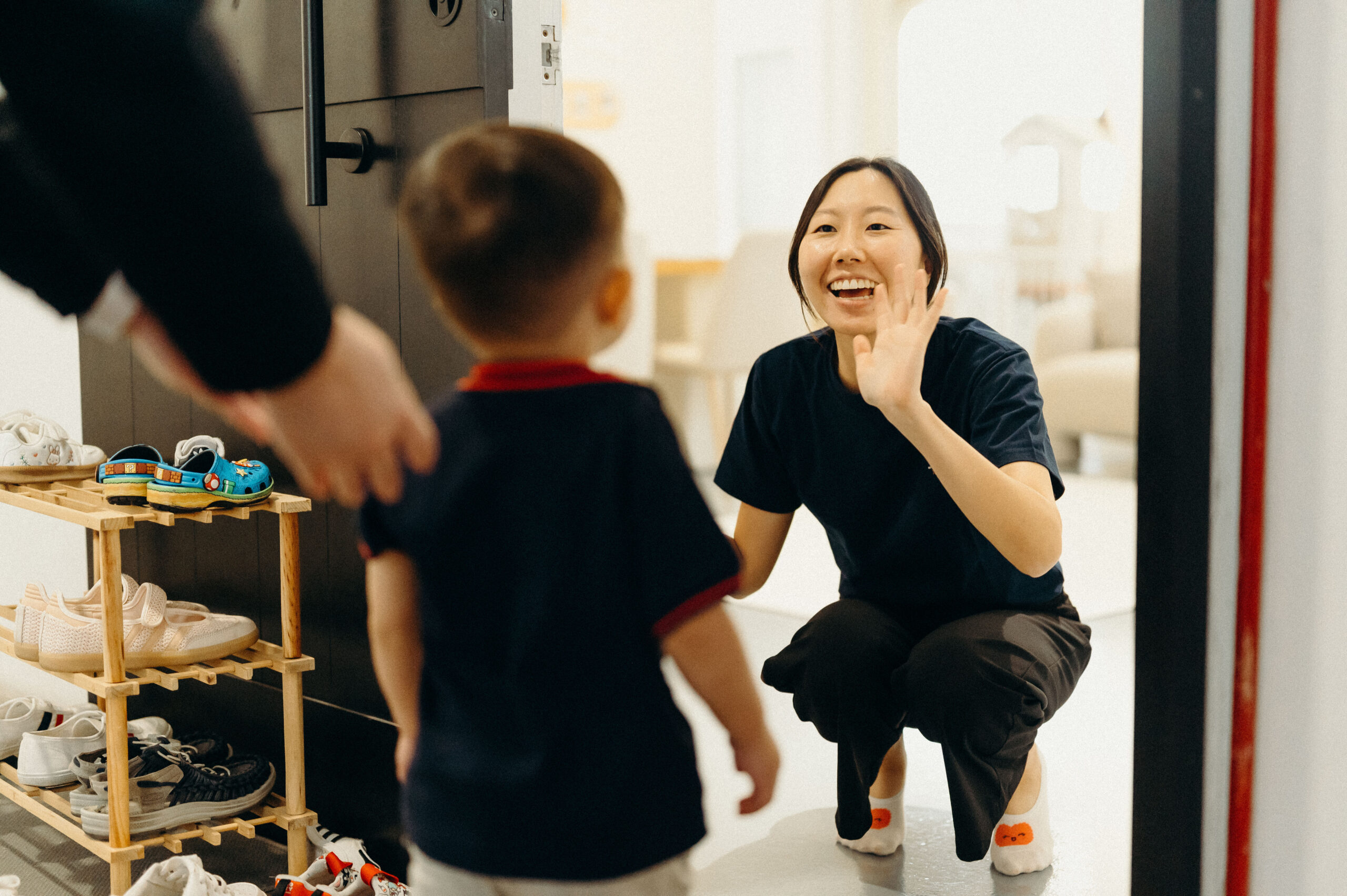
A skill is most useful when it works beyond the therapy room. That is why we plan for generalisation from the beginning.

We teach the skill with the support needed to succeed, practise it across different activities and routines, and then help the person use it with different people and in the environments where it actually matters.

What this means for you

The goal is not success only with a therapist. Skills should become useful at home, at school and in everyday life.

Support should change as independence grows

We deliberately reduce prompts and therapist involvement as skills become stronger and more reliable.

For some people, that may mean moving from direct 1:1 work into a group, school-based practice, lighter-touch consultation or eventually no ongoing therapy.

What this means for you

Our goal is progress, not dependence on therapy. We do not want someone to remain in therapy simply because they started therapy. Support is designed to reduce as the person becomes more capable.

You are supported by a clinical team

Ongoing behaviour support is usually delivered as a team. A supervising BCBA or BCBA-D oversees assessment, goals, programme design, clinical decisions and progress reviews, while Behaviour Therapists work directly with the individual during regular sessions.

Parents, teachers and other professionals share observations and help skills carry across the places and people that matter.

What this means for you

Behaviour Support can sit alongside Occupational Therapy, Speech Therapy, Educational Therapy, psychology or medical care. If another discipline is better suited to a concern, we will say so and collaborate where appropriate.

We build an individualised plan

Once we understand the main concerns, we identify the skills that are likely to make the biggest difference in day-to-day life.

The plan does not need to be fully formed on day one. It develops as we learn more through the Initial Consultation, early sessions, caregiver input and direct observation.

We listen and observe, identify priorities, set clear goals and adjust the plan as we learn.

What this means for you

Goals are selected around the individual, not a diagnosis or a standard curriculum. If a strategy is not helping, or needs change, the plan changes too.

Our approach is grounded in Applied Behaviour Analysis

At Tesserae, we describe what we do as Behaviour Support. Our work is grounded in Applied Behaviour Analysis (ABA), an evidence-based field that looks at how behaviour is learned, what influences it, and how new skills can be taught.

We look for patterns, understand behaviour in context, teach skills systematically and track whether the support we are providing is helping.

What this means for you

ABA gives us the clinical framework. Evidence-based does not mean one-size-fits-all: the goals, strategies and pace of support should still be individualised.

We teach, practise and measure

Sessions are structured around teaching specific skills, giving repeated opportunities to practise, and tracking whether those skills are becoming more successful over time.

Depending on the person, goals may involve attention and participation, emotional regulation, independence, social communication or other everyday skills.

We collect data so we can see what is changing, what still needs support and whether the plan needs to be adjusted.

What this means for you

Progress might look like fewer reminders, longer engagement, more independent responses or the same skill being used successfully in more situations.

We help skills carry into everyday life

A skill is most useful when it works beyond the therapy room. That is why we plan for generalisation from the beginning.

We teach the skill with the support needed to succeed, practise it across different activities and routines, and then help the person use it with different people and in the environments where it actually matters.

What this means for you

The goal is not success only with a therapist. Skills should become useful at home, at school and in everyday life.

Support should change as independence grows

We deliberately reduce prompts and therapist involvement as skills become stronger and more reliable.

For some people, that may mean moving from direct 1:1 work into a group, school-based practice, lighter-touch consultation or eventually no ongoing therapy.

What this means for you

Our goal is progress, not dependence on therapy. We do not want someone to remain in therapy simply because they started therapy. Support is designed to reduce as the person becomes more capable.

You are supported by a clinical team

Ongoing behaviour support is usually delivered as a team. A supervising BCBA or BCBA-D oversees assessment, goals, programme design, clinical decisions and progress reviews, while Behaviour Therapists work directly with the individual during regular sessions.

Parents, teachers and other professionals share observations and help skills carry across the places and people that matter.

What this means for you

Behaviour Support can sit alongside Occupational Therapy, Speech Therapy, Educational Therapy, psychology or medical care. If another discipline is better suited to a concern, we will say so and collaborate where appropriate.

What Families Say

Real stories, real progress

Not sure what kind of support your child needs?

Tell us what you are seeing at home or school. A Discovery Call can help us understand your concerns and let you know whether behaviour therapy may be a good fit, or whether another type of support may be more appropriate.