
Welcome to Tesserae
Individualised support grounded in Applied Behaviour Analysis (ABA), helping children build skills that translate beyond the therapy room into school, home and everyday life.

Monday – Saturday: 9.00am to 6.00pm
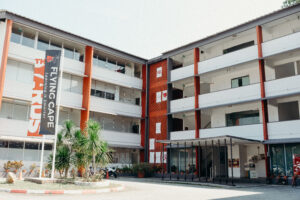
The Yards @ Joo Chiat
406 Joo Chiat Pl, #03-25/26, Singapore 428084
Call or Whatsapp Us: +65 8897 3677
Instagram: @tesserae.sg
General e-mail: info@tesserae.sg
A complimentary chat with one of our clinicians to understand your concerns and see whether Tesserae may be a good fit. Your child does not need to be present.
Our Areas of Expertise
No two people struggle for exactly the same reasons. We start by understanding what is getting in the way, then build support around the skills that will make the biggest difference in everyday life.
Grounded in evidence-based behavioural science, our programmes are individualised and designed to help skills carry across home, school and the wider community.
We commonly support areas such as:
Why Choose Us?
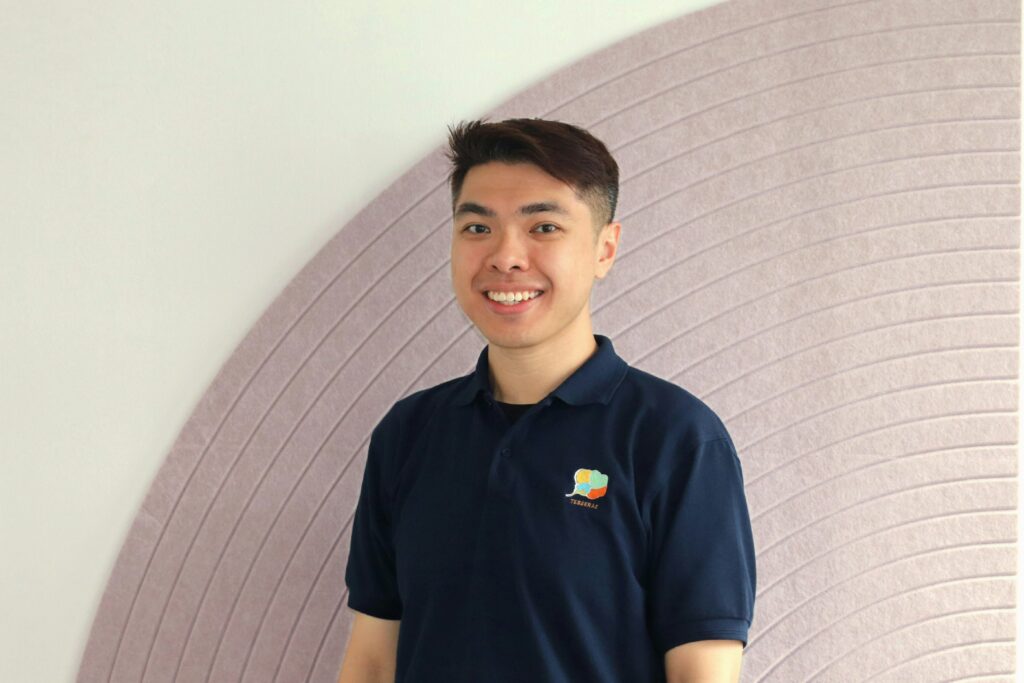
Our Clinical Director, Dr Dominic Leong, is a doctoral-level Board Certified Behaviour Analyst (BCBA-D) and leads Tesserae’s clinical practice. Drawing on his training in Applied Behaviour Analysis (ABA) and counselling, he brings a rigorous yet person-centred approach to understanding behaviour and designing support around the individual.
Together with our BCBA team, Dominic oversees programme design, clinical decisions and progress reviews, helping ensure support remains evidence-based, practical and responsive as needs change.
Your child benefits from doctoral-level BCBA clinical oversight, helping ensure their programme is evidence-based, individualised and responsive as their needs change.
Our Services
Our work is grounded in Applied Behaviour Analysis (ABA) and evidence-based behavioural practice, but how that support looks depends on the individual and where help is needed. From focused 1:1 intervention to support in school and small-group programmes, we apply the same clinical principles across different settings, with goals and strategies adapted as progress is made.
A 2-hour consultation to understand current concerns, assess relevant skills and recommend appropriate next steps.
Individualised support grounded in ABA, focused on communication, regulation, learning, independence and everyday participation.
School-based assessment and intervention to build participation, independence and practical skills where they matter.
Carefully matched small groups where children and teens practise individual social goals through genuine peer interaction.
Behaviour-therapist-led small groups building classroom routines, communication, attention, flexibility and independence.
What Progress Looks Like
The goal is not simply to perform a skill during a session. We want people to use what they learn more independently, with different people, and in the places where everyday life actually happens.
Our programmes are designed to fade
As skills become stronger, we reduce prompts, step back therapist involvement and help those skills work more naturally in everyday life.
Testimonials
Resource Hub